
How a Decision Reaches You
Central banks set a benchmark, not every price on the high street. Lenders respond by changing the rates they offer, but the timing depends on contracts, competition and risk.
Savings rates often move faster than existing loan rates. That asymmetry matters: a household can feel the change on deposits before a fixed loan reaches its renewal date.

Fixed, Tracker and Variable Deals
A fixed deal buys certainty for a set period. A tracker follows the benchmark plus a margin, so the payment changes as policy changes. Variable deals sit between the two and vary by lender.
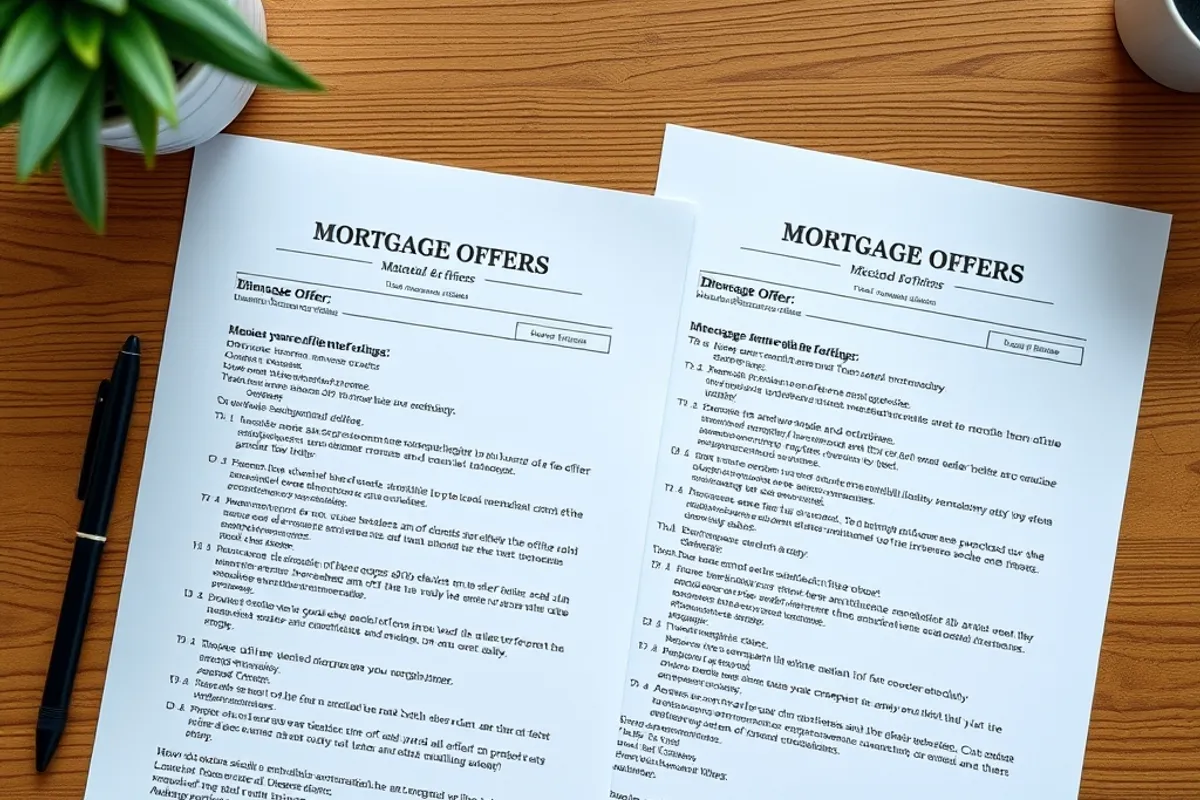
The cheapest introductory rate is not always the cheapest deal. Compare the total cost over the period you are likely to keep the product, including fees and early repayment charges.
Savings, Debt and Order of Operations
Higher rates help savers but also raise the cost of carrying debt. Paying down expensive short-term borrowing usually beats chasing a slightly better deposit return.
An emergency fund still comes first. Without a cash buffer, a small surprise can push a household back into high-interest borrowing just as the budget begins to improve.

The useful question is not where rates go next, but how your budget behaves if they do.
What to Check Each Month
Track the renewal date of each product, not just the headline rate. Put the dates in a calendar and review them a few months ahead so you have time to compare offers.
Treat forecasts as scenarios rather than promises. A table with three plausible payment levels is more useful than one confident prediction.

Related guides and sources
Supply chain resilience · Border rules and daily life · IMF economic outlook