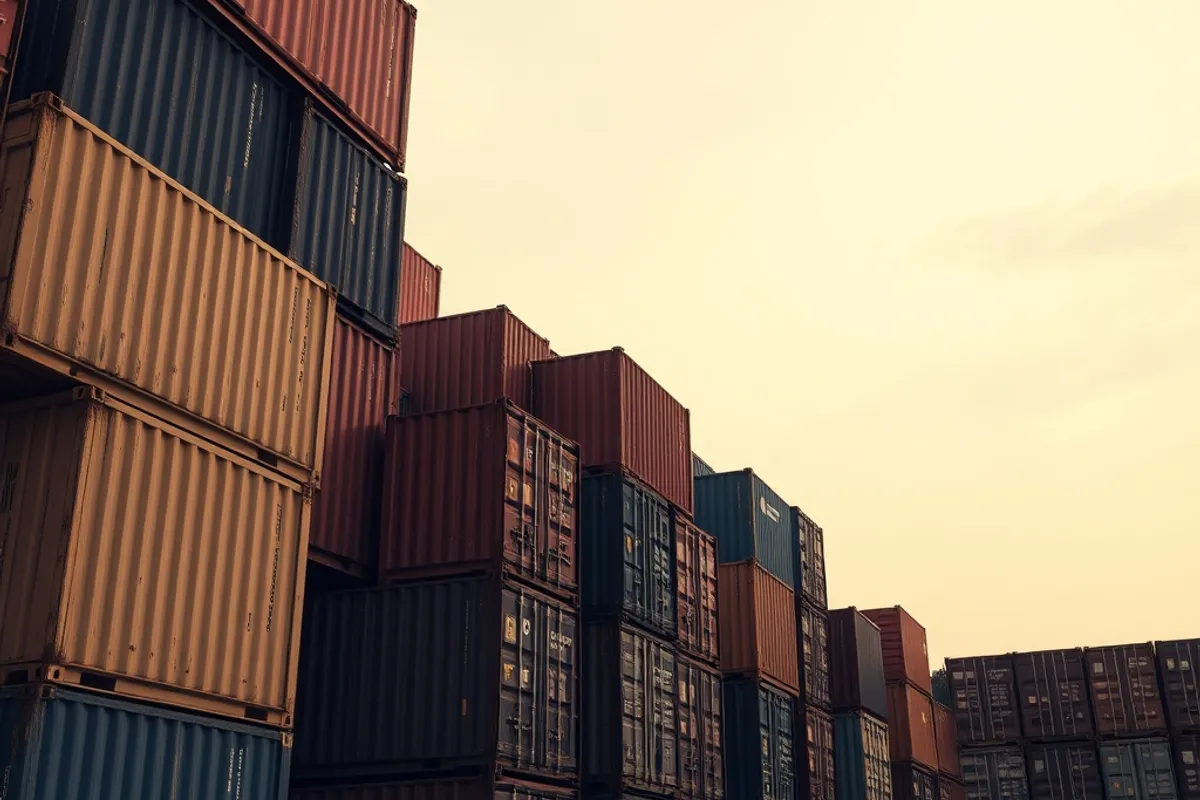
Map the Real Network
A supplier list is not a supply chain. The useful map includes second-tier providers, transport corridors and the components that would stop production if they disappeared.
Firms that map deeply find dependencies early. Those that rely on tier-one assurances often learn about a bottleneck only after deliveries slip.
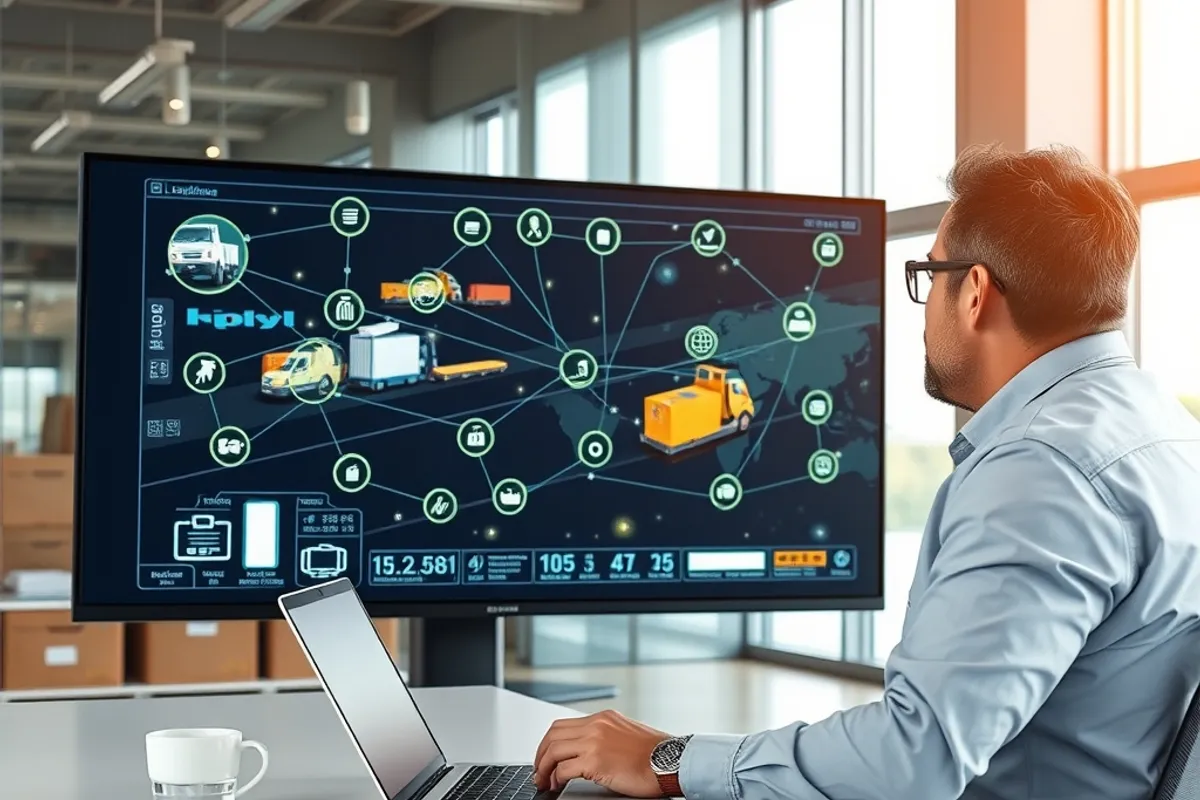
Inventory Is a Choice
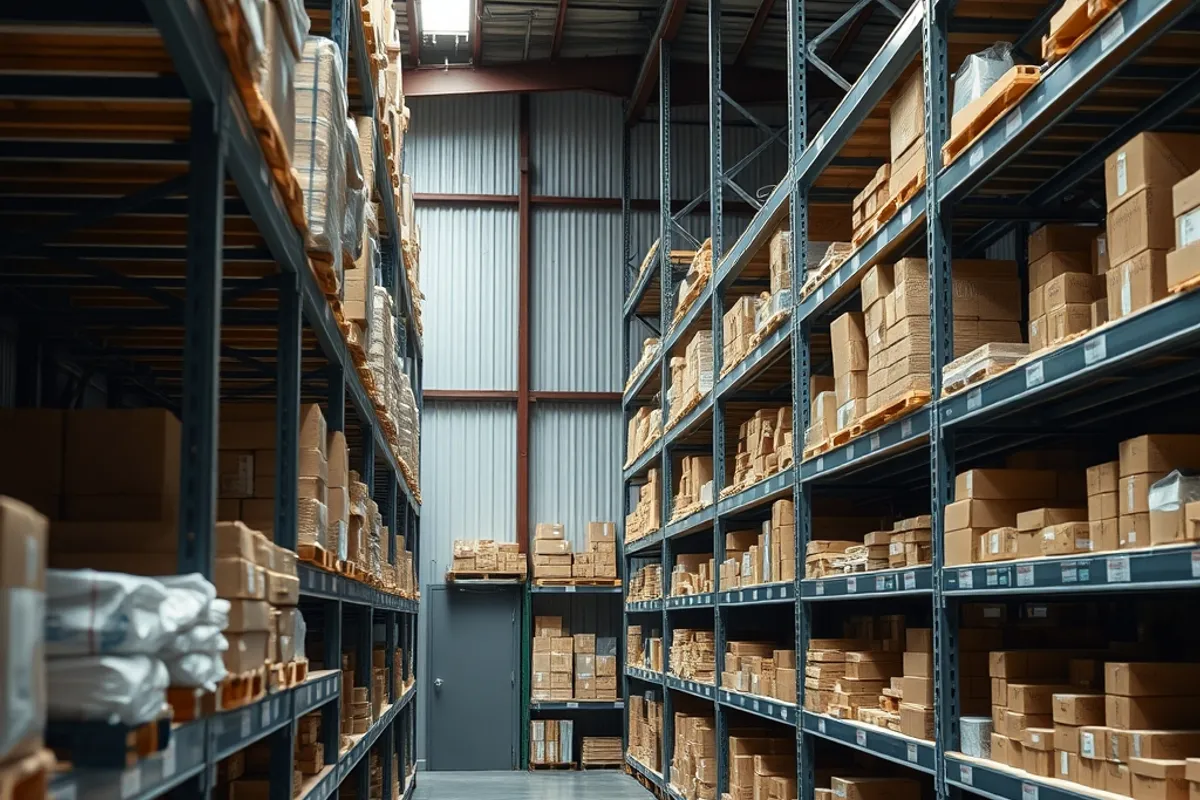
Holding more stock costs money, but so does stopping a production line. The right buffer depends on lead time, product value and how quickly a substitute can be qualified.
Smart firms hold strategic inventory for a small set of critical parts rather than filling warehouses with everything. That keeps the response focused and affordable.
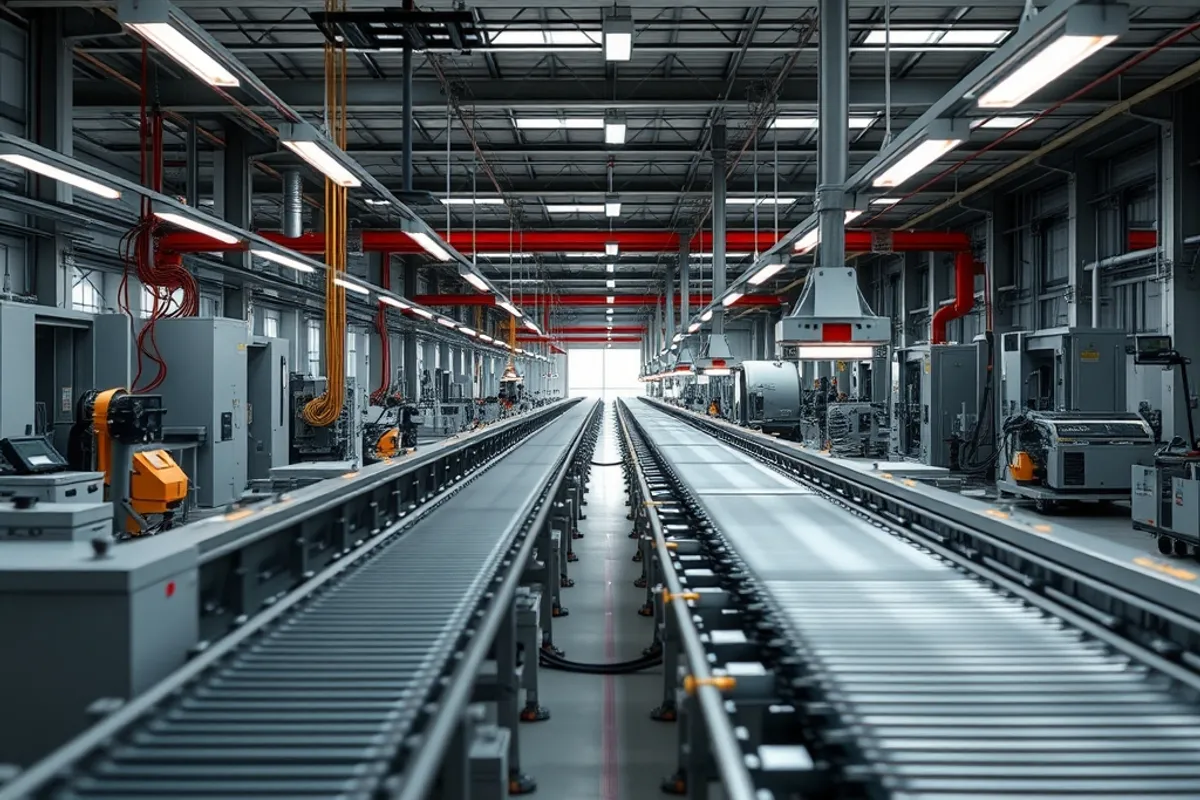
Dual Sourcing Takes Time
A second supplier is only useful if it has been tested. Qualification, tooling and quality checks can take months, which means the work must happen before a crisis.
Companies often keep a smaller share of volume with an alternative source. That keeps the relationship warm and the process familiar when volumes need to shift.
Resilience is built before the disruption, not during the first urgent meeting.
Measure What Would Break
Scenario exercises reveal more than spreadsheets. Ask what happens if a port closes for three weeks, a key component fails inspection or a supplier loses power.
The best plans name owners and decision points. A document nobody has practised is not resilience; it is reassurance.

Related guides and sources
Interest rates and budgets · AI tools at work · OECD trade and supply chain analysis